Did you know that over 18,000 separate agencies oversee public safety in the United States? This massive number means rules can vary wildly from one town to another. Such a variety makes having a clear use of force policy and accountability system vital for every community.
Clear law enforcement guidelines help build a strong bridge between officers plus the people they protect. When citizens understand the rules, trust grows naturally. These standards ensure safety remains the top priority during every single interaction between the public plus the police.
Modern policing thrives when protocols are easy to understand, allowing officers to feel more confident when they have specific steps to follow in tough moments. Clear communication helps prevent mistakes plus keeps neighborhoods peaceful for everyone living there.
Strong frameworks provide necessary tools for growth within any department. By focusing on transparency, agencies can improve their relationship with local residents. It is about creating a safe environment where justice plus respect work together.
Key Takeaways
- Defined rules increase public trust.
- Consistency helps officers make better decisions.
- Transparency reduces legal risks for agencies.
- Clear standards improve community relations.
- Training supports the proper application for rules.
- Responsibility ensures justice for all parties.
- Clear expectations benefit neighborhood safety.
Understanding the Foundation of Use of Force Policies
The foundation of use of force policies is rooted in a combination of legal, constitutional, and ethical considerations. These policies are designed to guide law enforcement officers in their interactions with the public, ensuring that the use of force is minimized and, when necessary, applied in a manner that is proportionate to the threat faced.
Effective use of force policies is critical for maintaining police accountability measures and preventing instances of excessive force. By establishing clear guidelines and protocols, law enforcement agencies can reduce the risk of misconduct and promote a culture of transparency and accountability.
Legal Framework and Constitutional Standards
The legal framework governing the use of force by law enforcement is primarily based on the Fourth Amendment to the U.S. Constitution, which protects citizens from unreasonable searches and seizures. The Supreme Court has interpreted this amendment to require that the use of force be “objectively reasonable” under the circumstances.
Law enforcement agencies must also comply with federal and state laws, as well as departmental policies, that regulate the use of force. These laws and policies provide a framework for officers to follow, ensuring that their actions are consistent with constitutional standards.
| Legal Standard | Description | Application |
|---|---|---|
| Fourth Amendment | Protects against unreasonable searches and seizures | Requires “objectively reasonable” use of force |
| Federal Laws | Regulate law enforcement practices nationwide | Sets minimum standards for use of force |
| State Laws | Provide additional regulations specific to each state | May impose stricter standards than federal laws |
Defining Reasonable Force in Law Enforcement
Defining reasonable force is a critical aspect of use of force policies. It involves assessing the level of force that is necessary to resolve a situation safely and effectively. Factors such as the severity of the crime, the level of threat posed by the suspect, and the availability of alternative methods are considered.
Core Principles of Modern Policing Standards
Modern policing standards emphasize the importance of de-escalation techniques, crisis intervention, and community policing. These principles are designed to reduce the need for force and promote positive relationships between law enforcement and the communities they serve.
- De-escalation techniques to minimize confrontations
- Crisis intervention training to handle mental health situations
- Community policing to build trust and cooperation
By understanding and implementing these core principles, law enforcement agencies can develop use of force policies that are both effective and respectful of citizens’ rights.
Developing a Comprehensive Use of Force Policy and Accountability Framework
To enhance accountability and officer safety, law enforcement agencies should establish a comprehensive use of force policy framework. This framework is crucial for guiding officers in complex situations and ensuring that their actions are aligned with legal standards and community expectations.
Conducting a Department Needs Assessment
The first step in developing a comprehensive use of force policy is to conduct a thorough department needs assessment. This involves analyzing the department’s current policies, procedures, and training programs to identify areas that require improvement or updating.
Key components of a department needs assessment include:
- Reviewing current use of force policies and procedures
- Analyzing data on past use of force incidents
- Consulting with officers and supervisors
- Examining community concerns and feedback
Establishing Clear Force Continuum Guidelines
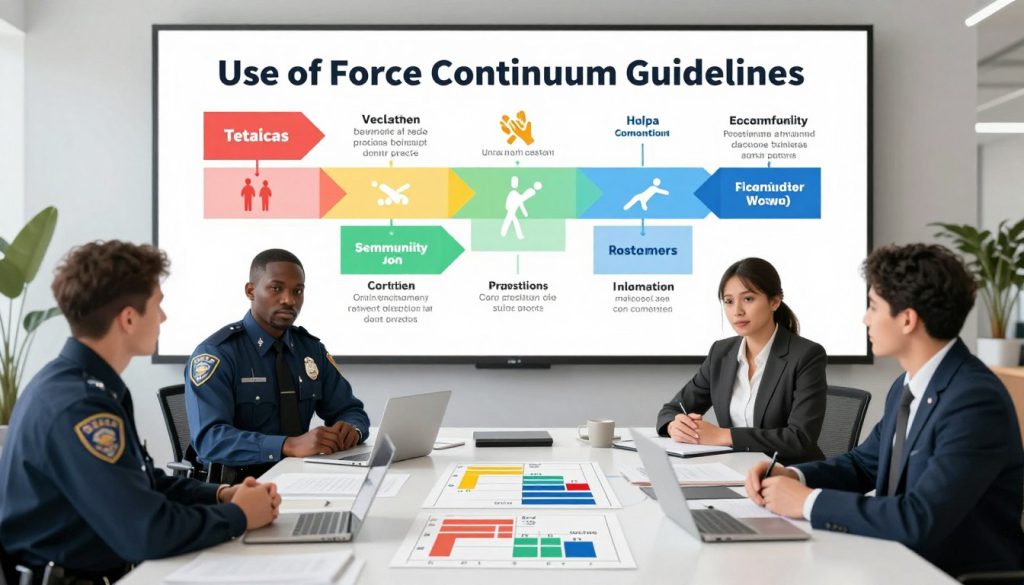
A critical aspect of a use of force policy is the establishment of clear force continuum guidelines. These guidelines help officers understand the escalating levels of force that can be applied in different situations.
Setting Specific Use of Force Protocols
Specific use of force protocols are essential for ensuring that officers respond appropriately to various situations. These protocols should cover different aspects of use of force, including verbal commands, physical control techniques, intermediate weapons authorization, and deadly force criteria.
Verbal Commands and De-escalation Requirements
Verbal commands are a crucial first step in resolving situations without resorting to physical force. Officers should be trained in effective communication techniques and de-escalation strategies.
Physical Control Techniques Standards
Physical control techniques are used when verbal commands are insufficient. These techniques should be taught as part of the department’s training program, with an emphasis on minimizing the risk of injury to both officers and suspects.
| Technique | Description | Training Requirement |
|---|---|---|
| Soft Empty Hand | Using minimal force to guide or control a suspect | Annual Recertification |
| Hard Empty Hand | Using more forceful techniques to subdue a suspect | Bi-Annual Recertification |
| Intermediate Force | Using tools like batons or Tasers to control a suspect | Quarterly Training |
Intermediate Weapons Authorization
The use of intermediate weapons, such as Tasers or batons, should be strictly regulated. Officers should be authorized to use these weapons only after completing the required training and following department protocols.
Deadly Force Criteria
The use of deadly force is subject to the most stringent criteria. Officers should be trained to use deadly force only when there is an imminent threat to their life or the life of others.
By establishing a comprehensive use of force policy and accountability framework, law enforcement agencies can ensure that their officers are equipped to handle complex situations effectively while maintaining public trust and upholding the principles of accountability and transparency.
Implementing Effective Training Programs
The implementation of robust training programs is essential for enhancing law enforcement transparency and preventing police misconduct. Effective training equips officers with the skills and knowledge necessary to handle complex situations, making it a critical component of modern policing.
Comprehensive training programs should include a variety of components to ensure officers are well-prepared. This includes scenario-based training, de-escalation techniques, and regular recertification requirements, all of which play a vital role in maintaining high standards within law enforcement agencies.
Scenario-Based Use of Force Training
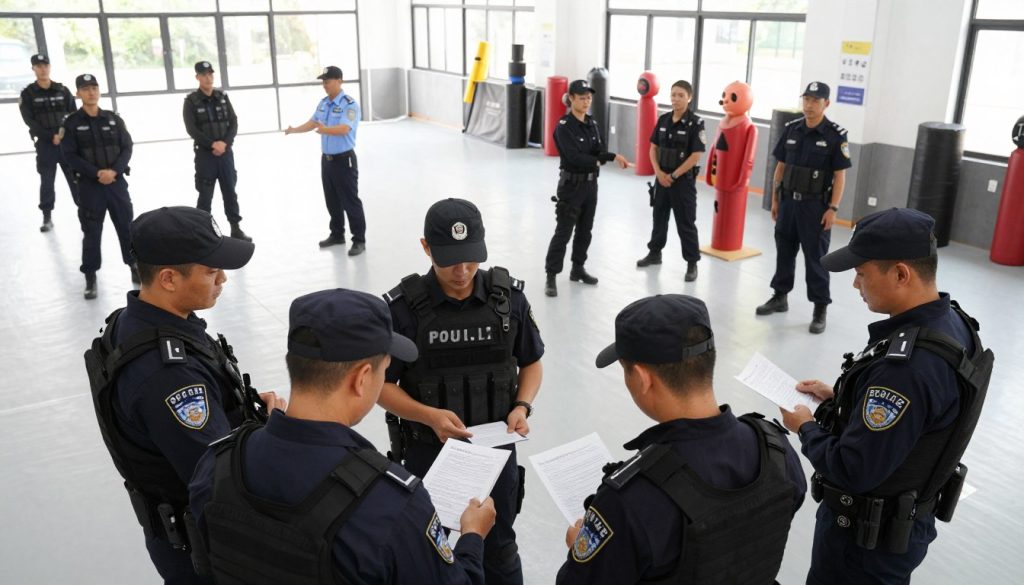
Scenario-based training involves simulating real-world situations that officers may encounter, allowing them to practice their decision-making skills in a controlled environment. This type of training is invaluable for preparing officers to respond appropriately to a wide range of scenarios, from routine interactions to high-pressure situations.
For example, scenario-based training might include simulations of domestic disputes, traffic stops, or encounters with individuals experiencing mental health crises. By practicing these scenarios, officers can develop the skills needed to de-escalate situations and use force only when necessary.
De-escalation Techniques and Crisis Intervention
De-escalation techniques are critical for resolving situations without resorting to force. Training in de-escalation involves teaching officers how to communicate effectively, empathize with individuals in crisis, and use verbal and non-verbal techniques to calm tense situations.
Crisis intervention training is also essential, as it prepares officers to respond to individuals experiencing mental health crises or other emergencies. This training can help reduce the likelihood of misunderstandings or the use of unnecessary force.
Regular Recertification Requirements
To ensure that officers remain proficient in their skills and knowledgeable about the latest policies and procedures, regular recertification is necessary. This can involve periodic training sessions, written exams, or scenario-based assessments to verify that officers are meeting the required standards.
Documentation and Reporting Procedures
Proper documentation and reporting are crucial for maintaining transparency and accountability within law enforcement agencies. Officers should be trained on the importance of accurate and thorough reporting, including the details required for incident reports and the procedures for submitting them.
| Training Component | Description | Benefits |
|---|---|---|
| Scenario-Based Training | Simulates real-world scenarios for officers to practice decision-making. | Prepares officers for a variety of situations, enhancing response appropriateness. |
| De-escalation Techniques | Teaches officers to communicate effectively and calm tense situations. | Reduces the likelihood of force being used unnecessarily. |
| Regular Recertification | Ensures officers remain skilled and knowledgeable about policies and procedures. | Maintains high standards within law enforcement agencies. |
By implementing these comprehensive training programs, law enforcement agencies can significantly enhance law enforcement transparency and reduce the risk of police misconduct. Effective training is a cornerstone of professional policing, contributing to safer communities and improved relationships between law enforcement and the public.
Establishing Accountability Measures and Oversight Systems
Implementing accountability measures and oversight systems is essential for preventing misconduct and ensuring compliance with departmental policies and procedures. Effective accountability measures help build trust between law enforcement agencies and the communities they serve.
A robust accountability system involves multiple layers of oversight, ensuring that any potential misconduct is identified and addressed promptly. This not only enhances transparency but also fosters a culture of accountability within the department.
Creating Multi-Level Review Processes
A multi-level review process is critical for thorough investigations and ensuring that all incidents are properly examined. This process involves several stages of review to guarantee fairness and transparency.
Immediate Supervisor Review
The first level of review typically involves the officer’s immediate supervisor. This supervisor is responsible for conducting a preliminary assessment of the incident, gathering initial evidence, and determining whether further investigation is required.
Command Staff Investigation Protocols
If the incident requires further investigation, it is escalated to the command staff. They follow established protocols to conduct a more in-depth investigation, gathering additional evidence and interviewing witnesses as necessary.
Independent Review Boards
For incidents of a serious nature, an independent review board may be convened. This board consists of impartial members who review the evidence and make recommendations regarding disciplinary actions or policy changes.
Implementing Early Warning Systems
Early warning systems are designed to identify potential issues before they escalate into serious problems. These systems track officer behavior and flag any unusual patterns or incidents that may indicate a need for intervention or additional training.
By identifying these issues early, departments can take proactive measures to address them, reducing the risk of misconduct and enhancing overall police accountability measures.
Setting Disciplinary Guidelines for Policy Violations
Clear disciplinary guidelines are essential for ensuring that policy violations are addressed consistently and fairly. These guidelines outline the consequences for various types of misconduct, providing a framework for disciplinary actions.
By having well-defined disciplinary guidelines in place, law enforcement agencies can ensure that officers understand the expectations and consequences of their actions, promoting a culture of compliance with departmental policies and procedures.
Building Transparency Through Reporting and Public Disclosure
Law enforcement transparency is not just a necessity, it’s a cornerstone of modern policing. By embracing transparency, law enforcement agencies can foster trust, demonstrate accountability, and improve their relationships with the communities they serve.
To achieve this level of transparency, several key measures must be implemented. These include thorough documentation of incidents, the use of body-worn cameras, effective public reporting mechanisms, and robust community engagement strategies.
Mandatory Incident Documentation Requirements
Accurate and comprehensive documentation of incidents is crucial for transparency. Law enforcement agencies should establish clear guidelines for officers to follow when documenting incidents, including the use of standardized reporting forms and procedures.
Key elements of incident documentation include:
- Detailed descriptions of the incident
- Information about the individuals involved
- Actions taken by law enforcement officers
- Any injuries or property damage resulting from the incident
Body-Worn Camera Policies and Video Review
The use of body-worn cameras has become an essential tool for enhancing transparency in law enforcement. These cameras provide an objective record of interactions between officers and the public, helping to build trust and accountability.
Agencies should develop clear policies governing the use of body-worn cameras, including when they should be activated, how footage is stored, and procedures for reviewing and releasing video.
Public Reporting Mechanisms
Effective public reporting mechanisms are vital for transparency. Law enforcement agencies should provide regular updates on their activities, including statistics on use of force incidents, complaints against officers, and other relevant data.
Public reporting can take various forms, such as:
- Annual reports detailing agency activities and statistics
- Quarterly or monthly updates on specific issues, like use of force
- Online portals where the public can access data and reports
Community Engagement and Feedback Systems
Community engagement is a critical component of transparency. Law enforcement agencies should actively seek feedback from the public and engage in open dialogue about their practices and policies.
This can be achieved through various means, including:
- Regular community meetings and forums
- Surveys and other feedback mechanisms
- Social media and other online platforms
By implementing these measures, law enforcement agencies can significantly enhance their transparency and build stronger, more trusting relationships with the communities they serve.
Preventing Police Misconduct Through Continuous Improvement
The key to preventing police misconduct lies in ongoing efforts to refine policies, train officers, and engage with the community. Law enforcement agencies must adopt a proactive approach to identifying areas for improvement and implementing changes that enhance their practices.
Regular Policy Review and Updates
Law enforcement policies must evolve to address emerging challenges and societal expectations. Regular reviews ensure that policies remain relevant and effective. Agencies should involve both internal stakeholders and external experts in the review process to gain diverse perspectives.
Updates to policies should be based on data-driven insights, legal developments, and community feedback. This helps in creating a fair and transparent policing framework.
Analyzing Use of Force Data and Trends
Analyzing use of force data is crucial for understanding the effectiveness of current policies and identifying areas for improvement. By examining trends and patterns, agencies can develop targeted strategies to reduce unnecessary force incidents.
This analysis should be data-driven, using both quantitative and qualitative data to inform policy adjustments and training programs.
Incorporating Officer Wellness Programs
Officer wellness is directly linked to their ability to perform their duties effectively and make sound judgments. Wellness programs can help mitigate stress, improve mental health, and enhance overall performance.
Agencies should invest in comprehensive wellness initiatives that include mental health support, physical fitness programs, and stress management training.
Building Community Trust and Partnerships
Building trust with the community is essential for effective policing. Agencies should engage in outreach programs and partnerships that foster positive relationships and facilitate open communication.
Community policing initiatives can help bridge the gap between law enforcement and the public, promoting mutual understanding and respect.
Conclusion
A well-structured use of force policy is crucial for law enforcement agencies to ensure that their practices are both effective and respectful of citizens’ rights. Throughout this article, we have explored the essential components of a comprehensive use of force policy and accountability framework.
By implementing clear guidelines, providing regular training, and establishing robust accountability measures, law enforcement agencies can reduce the risk of misconduct and promote a culture of transparency and trust. Continuous improvement and community engagement are also vital to ensuring that policing practices remain responsive to the needs of the communities they serve.
Ultimately, a strong use of force policy and accountability framework is essential for building trust between law enforcement and the public. By prioritizing transparency, accountability, and community engagement, law enforcement agencies can work towards creating safer and more just communities for all.