
Did you know that Americans file thousands of police misconduct reports annually, yet only a small fraction ever reach a courtroom? It feels truly overwhelming when officials violate your personal space or safety. You might feel alone, but understanding your path to justice is the first step toward healing.
Navigating the justice system requires patience and a solid plan to hold people accountable for their actions. This guide walks you through the necessary steps in a friendly way. We want to help you feel safe and heard while you seek a fair resolution for any mistreatment.
Starting this journey involves gathering strong evidence and knowing your protections. You deserve to stand up for yourself when someone oversteps their authority. Let’s explore how you can move forward with confidence and clarity during this difficult time.
Key Takeaways
- Identify specific constitutional violations that occurred during the event.
- Gather all physical evidence and witness contact information immediately.
- Observe strict deadlines for submitting your legal claims.
- Consult an experienced attorney to evaluate the strength of your case.
- Document every single detail while the memory remains fresh.
- Decide between state or federal court options for your situation.
Understanding Your Civil Rights and When They’ve Been Violated
Knowing your rights is the first step in identifying and addressing police misconduct. Civil rights are fundamental protections granted to individuals, and understanding these rights is crucial in recognizing when they have been violated.
The Fourth Amendment protects citizens from unreasonable searches and seizures, while the Eighth Amendment prohibits excessive force. When law enforcement officers violate these rights, it’s considered police misconduct, which can lead to civil rights violations by police officers.
Types of Police Misconduct That Constitute Civil Rights Violations
Police misconduct can take many forms, each violating the civil rights of individuals in different ways.
Excessive Force and Police Brutality
Excessive force occurs when law enforcement officers use more force than necessary to subdue or apprehend an individual. This can lead to serious injury or even death. Police brutality is a form of excessive force that involves severe physical abuse.
For instance, the use of chokeholds or other restraint techniques that can cause asphyxiation is considered a form of police brutality. Such actions are not only morally reprehensible but also legally actionable under civil rights laws.
Unlawful Arrest and False Imprisonment
Unlawful arrest and false imprisonment occur when an individual is detained without probable cause or legal justification. This can include arrests made without a warrant or based on false evidence.
False imprisonment can also involve holding someone in custody for longer than necessary or denying them their right to due process.
Illegal Search and Seizure
The Fourth Amendment protects individuals from unreasonable searches and seizures. Law enforcement must have a warrant or probable cause to conduct a search. Searches conducted without proper authorization or justification are considered illegal.
For example, a search conducted based on racial profiling or without a valid warrant can be considered a violation of an individual’s civil rights.
Federal Laws That Protect You: Section 1983 and Beyond
Federal laws provide critical protections against police misconduct. Section 1983 of the Civil Rights Act of 1871 allows individuals to sue law enforcement officers and other government officials for violating their civil rights.
“Every person who, under color of any statute, ordinance, regulation, custom, or usage, of any State or Territory or the District of Columbia, subjects, or causes to be subjected, any citizen of the United States or other person within the jurisdiction thereof to the deprivation of any rights, privileges, or immunities secured by the Constitution and laws, shall be liable to the party injured in an action at law, suit in equity, or other proper proceeding for redress.”
Section 1983 of the Civil Rights Act of 1871
This law is a powerful tool for holding law enforcement accountable for their actions.
State Laws and Additional Protections Against Law Enforcement Misconduct
In addition to federal laws, many states have enacted their own laws to protect citizens from police misconduct. These laws can provide additional avenues for seeking justice.
| State | Law | Description |
|---|---|---|
| California | California Penal Code Section 835a | Regulates the use of force by law enforcement |
| New York | New York State Executive Law Section 75 | Prohibits excessive use of force by police |
| Texas | Texas Penal Code Section 9.51 | Justifies the use of force by law enforcement under certain circumstances |
Preparing Your Civil Rights Lawsuits Against Law Enforcement
The foundation of a successful civil rights lawsuit lies in the steps you take immediately after the incident occurs. When law enforcement officers violate your rights, it’s essential to act quickly and methodically to gather evidence and document the incident thoroughly.
Documenting the Incident Immediately After It Occurs
Immediate documentation is critical in excessive force litigation cases. This involves several key steps to ensure that you have a solid foundation for your claim.
Taking Photos and Videos of Injuries
Visual evidence is powerful in law enforcement accountability cases. Take clear, well-lit photos and videos of your injuries from multiple angles. This visual documentation can help demonstrate the extent of your injuries and support your claim.

As soon as possible after the incident, write down everything you remember. Include details about the events leading up to the incident, the incident itself, and any interactions with law enforcement officers afterward. This written account will be invaluable as your case progresses.
Gathering Critical Evidence for Your Case
In addition to documenting your injuries and experiences, gathering other forms of evidence is crucial. This can include witness statements, police reports, and any available video footage.
Obtaining Witness Contact Information and Statements
Witnesses can provide critical corroboration for your account. If there were witnesses to the incident, try to obtain their contact information and a statement from them as soon as possible.
Requesting Police Reports and Incident Records
Official records of the incident can provide valuable evidence. Request copies of police reports and any other incident records related to your case.
Securing Body Camera and Dashcam Footage
Video footage from body cameras and dashcams can offer objective evidence of what occurred. If such footage exists, take steps to secure it for your case.
Getting Medical Treatment and Documentation
Seeking medical attention not only ensures your health and well-being but also provides a medical record of your injuries. This documentation is essential for supporting your claim in excessive force litigation.
Understanding Time Limits: Statute of Limitations for Police Misconduct Legal Actions
There are time limits for filing a civil rights lawsuit, known as the statute of limitations. Understanding these time limits is crucial to ensuring that your case can move forward. The specific statute of limitations can vary, so it’s essential to consult with an attorney to understand the time frame applicable to your case.
Step-by-Step Process for Filing Your Lawsuit
Understanding the step-by-step process for filing a civil rights lawsuit is crucial for victims of police brutality. This process involves several key steps that help ensure your case is presented effectively.
Step 1: Find and Consult with an Experienced Civil Rights Attorney
The first step in filing a lawsuit is to consult with an attorney who specializes in civil rights cases, particularly those involving police brutality legal claims. This expertise is vital because these lawyers understand the complexities of unlawful police actions lawsuits.
What to Look for in a Lawyer
When searching for a lawyer, consider their experience with cases similar to yours. Look for:
- A track record of successful outcomes in civil rights cases
- Familiarity with local laws and court systems
- A strong understanding of both state and federal laws regarding police misconduct
Questions to Ask During Your Consultation
During your initial consultation, ask questions like:
- What experience do you have with police brutality legal claims?
- How will you approach my case?
- What are the potential challenges we might face?
Step 2: File an Administrative Claim or Notice
Before proceeding to court, you may need to file an administrative claim or notice. This step is crucial for preserving your right to sue.
Understanding When Administrative Filing Is Required
Administrative filing is often required when the defendant is a government entity or employee. This step involves submitting a claim to the relevant government agency.
Meeting Deadlines for Government Claims
It’s critical to meet the deadlines for filing government claims, as missing these deadlines can bar your lawsuit. Typically, you have between 6 months to 2 years to file, depending on the jurisdiction.
Step 3: Draft and File Your Federal Civil Rights Complaint
Drafting and filing your complaint is a critical step in the lawsuit process. Your complaint must clearly state the facts of your case and the legal grounds for your claim.
Choosing the Correct Court and Jurisdiction
Your lawyer will help determine whether your case should be filed in state or federal court. Cases involving federal laws, such as Section 1983 claims, are typically filed in federal court.
Identifying All Defendants in Your Lawsuit
It’s essential to identify all potential defendants in your lawsuit, including individual officers, supervisors, and government entities.
Step 4: Serve Legal Papers to Law Enforcement Defendants
After filing your complaint, you must serve the defendants with legal papers. This step formally notifies them of the lawsuit.
Step 5: Participate in the Discovery Phase
The discovery phase involves exchanging information and evidence with the defendants. This is a critical phase where both sides gather evidence to support their claims.
Responding to Interrogatories and Document Requests
You will be required to respond to interrogatories (written questions) and document requests from the defendants. Your lawyer will help prepare your responses.
Preparing for Your Deposition
A deposition is a sworn testimony where you will be questioned by the defendants’ lawyers. Your attorney will prepare you for this process.
What to Expect During Law Enforcement Accountability Cases
Understanding what to expect during law enforcement accountability cases is vital for individuals considering a lawsuit. These cases involve complex legal processes and nuances that can significantly impact the outcome.
Navigating Qualified Immunity and Common Legal Defenses
Law enforcement officers often rely on qualified immunity to defend against misconduct allegations. This legal doctrine shields officers from liability unless their actions clearly violate established constitutional rights.
How Officers Use Qualified Immunity to Dismiss Cases
Officers may use qualified immunity to argue that their actions were reasonable based on the information available at the time. To overcome this defense, plaintiffs must demonstrate that the officer’s actions were objectively unreasonable.
Overcoming Defense Strategies in Excessive Force Litigation
To succeed in excessive force litigation, plaintiffs must present strong evidence that counters the officer’s version of events. This may involve:
- Video footage that contradicts the officer’s account
- Witness testimony that supports the plaintiff’s claim
- Expert analysis that challenges the officer’s use of force
The Settlement Negotiation Process in Use of Force Lawsuits
Settlement negotiations are a critical aspect of use of force lawsuits. These negotiations can occur at various stages of the litigation process.
When Settlements Typically Occur
Settlements may occur before trial, often after the discovery phase has provided a clearer understanding of the case’s strengths and weaknesses. Early settlements can reduce legal costs and emotional stress.
Evaluating Settlement Offers
When evaluating settlement offers, plaintiffs should consider factors such as:
- The amount offered in relation to the damages incurred
- The likelihood of success at trial
- The potential costs and risks associated with continuing litigation
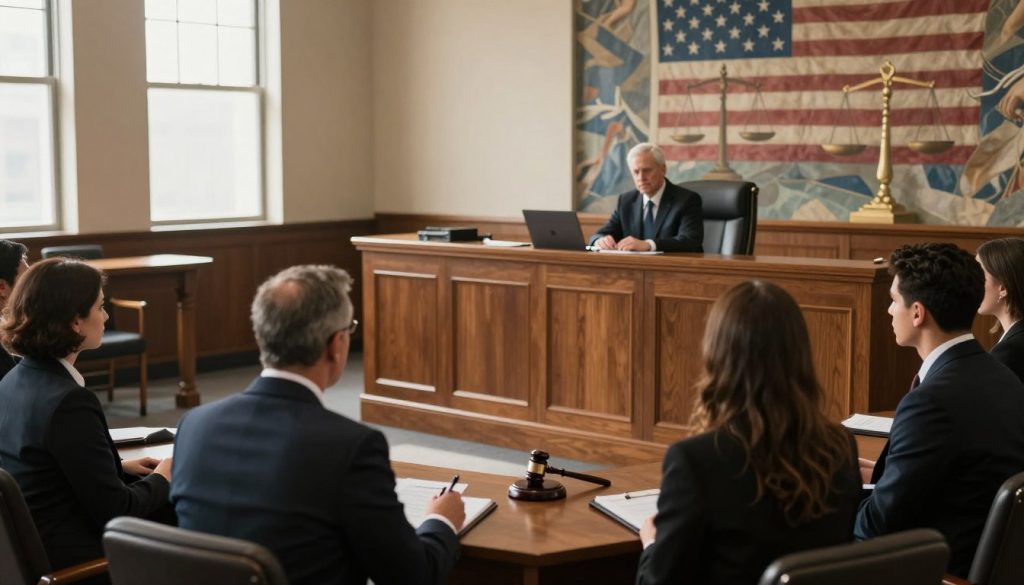
Preparing for Trial in Police Brutality Legal Claims
If a settlement is not reached, the case will proceed to trial. Preparation is key to presenting a strong case.
Types of Compensation Available in Misconduct by Law Enforcement Lawsuits
Successful plaintiffs in misconduct by law enforcement lawsuits may be entitled to various types of compensation.
Economic Damages for Medical Bills and Lost Wages
Economic damages cover tangible losses such as medical expenses and lost income. Accurate documentation is crucial for securing fair compensation.
Non-Economic Damages for Pain and Suffering
Non-economic damages address intangible harms like pain, suffering, and emotional distress. These damages are often more challenging to quantify.
Punitive Damages in Egregious Cases
In cases involving egregious misconduct, punitive damages may be awarded to punish the defendant and deter future misconduct.
Conclusion
Understanding your civil rights and the legal protections available is crucial in holding law enforcement accountable for their actions. If you’ve been a victim of police misconduct, it’s essential to know that you have the right to file civil rights lawsuits against law enforcement.
The process involves several key steps, from documenting the incident and gathering evidence to consulting with an experienced civil rights attorney and navigating the legal system. By taking these steps, you can seek justice and compensation for the harm you’ve suffered.
Filing a lawsuit against law enforcement is a significant decision, but it’s a vital part of ensuring accountability and promoting positive change within the justice system. If you’re considering taking action, don’t hesitate to reach out to legal professionals who can guide you through the process of civil rights lawsuits against law enforcement.